
Camp Stove Best Picks for Real Cooking: Sear Simmer Serve
By Ingrid Sørensen • 10th Dec
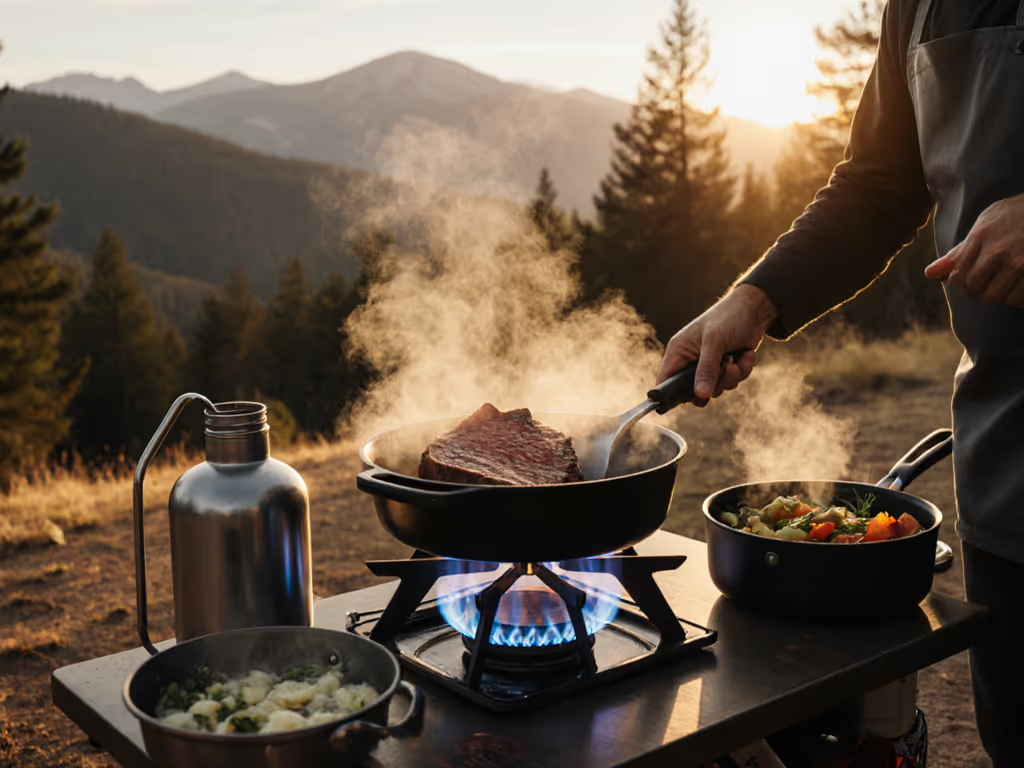
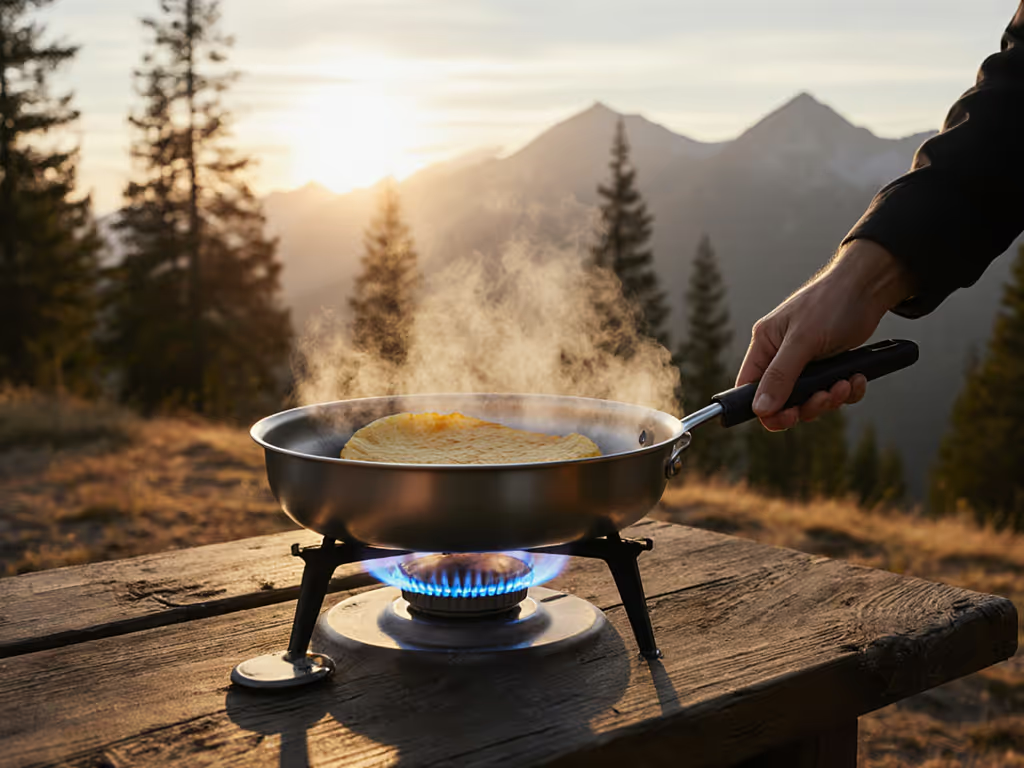
When I promised pancakes and a mild curry to hungry kids on a blustery coastal weekend, lab-tested boil times meant nothing. What mattered was real-world stove performance that kept the griddle steady and the pot gentle. In those moments, you realize the camp stove best for your trip isn't decided by marketing claims (it is proven by how well it handles wind, simmer control, and actual meal prep). Forget isolated metrics: true culinary success demands stoves evaluated through the lens of your menu, weather, and group needs. If you want a structured decision path, use our wind-proof & perfect simmer buyer's guide to match stoves to menu, weather, and group size. Here is how to cut through the hype with practical stove assessment methodology that mirrors your actual camp kitchen.
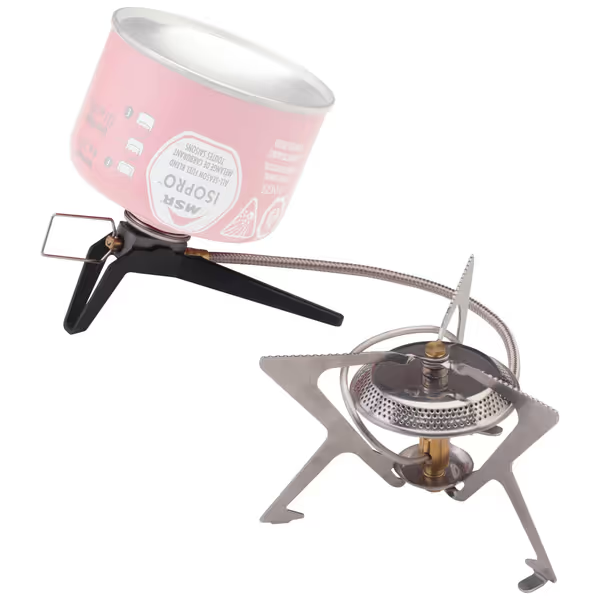
MSR WindPro II Stove
Consistent all-weather cooking for backpacking and camping trips.
$134.95
Weight6.6 oz
Weight6.6 oz
Pros
Inverted liquid-feed for cold/low-fuel performance.
Remote burner allows efficient windscreen use.
Cons
Requires careful setup to prevent spills.
It performs well at all elevations, with stability, precise flame adjustment, and good simmer control; one customer noting it can go from simmer to blowtorch. The wind deflector keeps the canister from freezing.
It performs well at all elevations, with stability, precise flame adjustment, and good simmer control; one customer noting it can go from simmer to blowtorch. The wind deflector keeps the canister from freezing.
Why Standard Boil Time Tests Fail Real Cooks
Most reviews obsess over "boil time for 1L", but that is just phase one of a three-act cooking drama. Real meals require transitions: a rapid boil-to-simmer shift for sauces, stable low heat for risotto, or wind-defying flames for sauteing. The Controlled Cooking Test (CCT) reveals this gap: studies show lab boil times poorly predict actual fuel use in field conditions where wind, altitude, and inconsistent simmering dominate. Culinary performance metrics must capture the full cooking arc, not just the sprint to boiling.
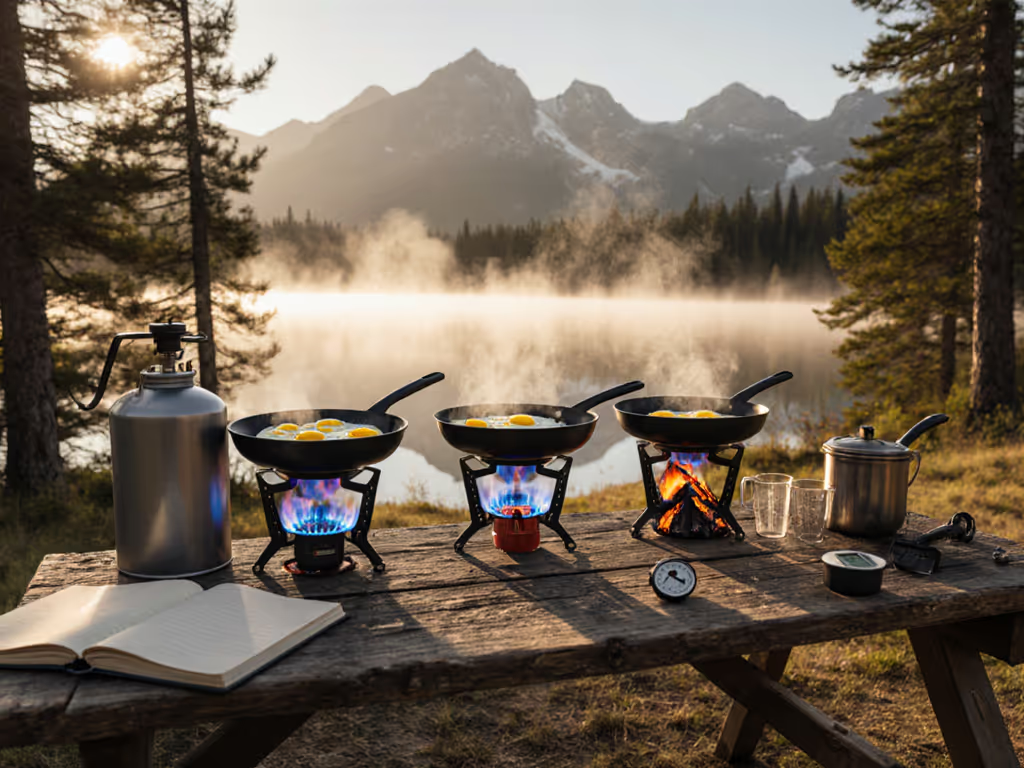
The 10-Point Real-World Stove Assessment
1. Simmer Control Is Non-Negotiable
Test it: After boiling 1L water, immediately reduce to the lowest stable flame. Can it maintain gentle bubbles for 15+ minutes without extinguishing or flaring? A stove that only boils forces you into mealtime roulette. To build real simmer skill on any stove, see our temperature control techniques. Simmer is a skill and a feature, it is what separates edible curry from scorched lentils. Inclusive menu notes: Lactose-free sauces and delicate fish need true low-heat precision.
2. Wind Resilience > Peak BTU
Test it: Set up facing 15mph gusts (use a fan!). Does flame distribution stay even across the pot base? Regulators may claim windproofing, but without a real windscreen (like the MSR WindPro II's integrated design), heat scatters. Practical stove evaluation measures fuel efficiency in crosswinds, not just in calm labs. Safety reminder: Windscreens must allow fresh airflow; never enclose canister stoves fully. Get the details and top picks in our essential windscreen guide.
3. Fuel Mass Management
Calculate it: For group meals, prioritize stoves where fuel consumption scales intelligently. A stove burning 50g/hr at high heat but 10g/hr at simmer (like remote-canister models) saves 30%+ fuel vs. crude simmerers. Track total fuel used per meal, not just boil speed. Timeline tip: For a 4-person chili dinner, budget 12 mins high boil + 35 mins simmer; this dictates your fuel minimum.
4. Pot Stability Metrics
Test it: Place a 10" skillet with 1.5kg weight on uneven ground. Do supports wobble? No unstable cook surfaces around kids means wide, grippy pot supports. Stove assessment methodology must include "spill threshold" testing: how many degrees of tilt before disaster?
5. Cold-Weather Consistency
Test it: At 40°F, invert your canister mid-boil. Does output drop? Inverted liquid-feed systems (like the WindPro II) maintain pressure as fuel depletes, which is critical for high-altitude trips. Beyond boil time testing means verifying sustained output during 45-minute simmers.
6. Ignition Reliability
Test it: With gloves on, attempt 5 cold ignitions. Piezo failures are common in damp conditions. Actionable tip: Prioritize stoves with backup lighting ports (e.g., WindPro's secondary valve) for stormy kitchens. Never rely solely on integrated igniters.
7. Heat Distribution Accuracy
Test it: Heat a drop of water in multiple pot zones. Hot spots burn meals even if boil time looks good. Look for even vapor trails across the base, this is where solid simmer control originates. Menu impact: Scrambled eggs reveal uneven heating instantly.
8. Regulator Freeze Resistance
Test it: In sub-40°F conditions, monitor flame consistency after 10 minutes. Propane blends resist freeze-up better than pure isobutane—see our propane vs butane vs white gas analysis for the cold-weather data. Critical note: no boiling without wind management in cold air, because wind steals heat faster and worsens regulator freeze.
9. Cleanup Efficiency
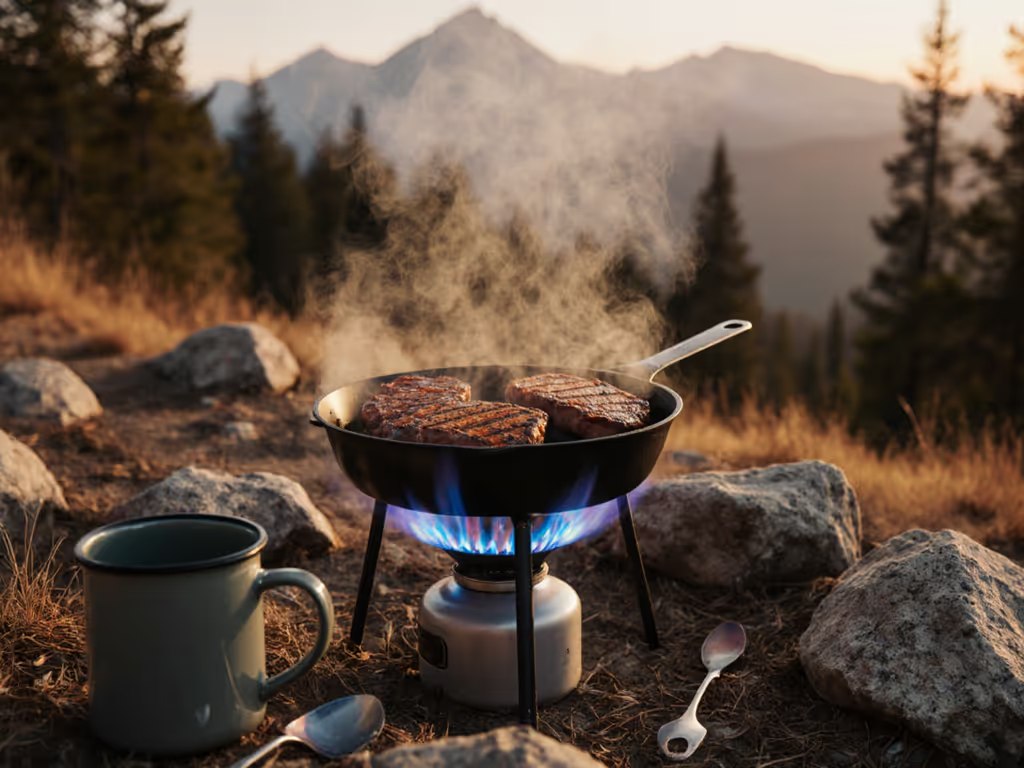
Test it: After searing, assess soot buildup. Efficient combustion (low PM emissions per EPTP standards) means easier scrubbing with minimal water, which is vital in arid zones. Group hack: Assign "stove cleanup" in your meal timeline to share labor.
10. System Scalability
Test it: For 4+ people, can you nest two pots? Remote-burner designs allow larger cookware than integrated systems. Family-proof kitchens: stable simmer, quick boils, zero drama means scaling meals without doubling stove weight. For larger crews, compare the best double-burner stoves for groups to boost capacity without sacrificing control.
Remember: Comfort and safety are performance. A stove that cooks one perfect pancake fast but fails at batch #3 isn't camp kitchen material.
Translating Metrics to Your Next Meal
Ditch the spec sheet theater. Instead, simulate your actual cooking sequence:
- Map your menu (e.g., oatmeal at 7 AM, chili at 6 PM)
- Note environmental factors (wind frequency, expected lows)
- Time each phase (boil, reduce, simmer)
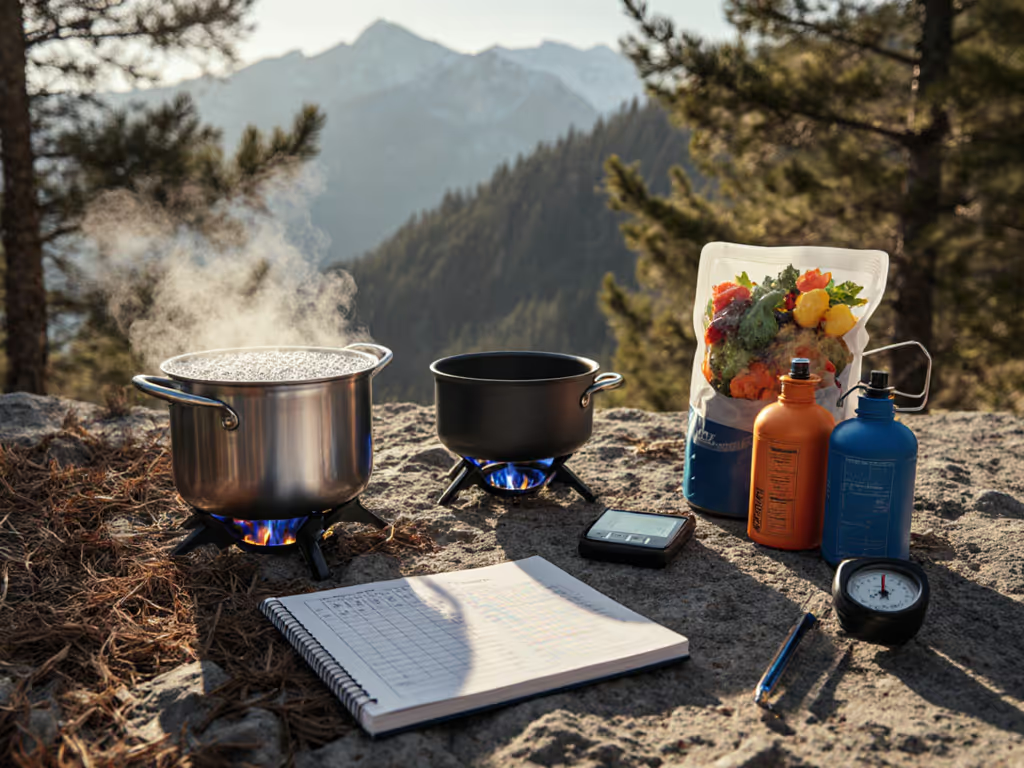
- Calculate fuel per meal using actual consumption rates, not lab ideals
This practical stove evaluation turns abstract efficiency into meal confidence. When I served that coastal curry, it wasn't the stove's 3.6-min boil time that mattered; it was the 45-minute simmer where wind gusts never once made the pot dance. Real cooking demands tools that honor the entire process.
Your Actionable Next Step
Before your next trip, conduct a home test mimicking your most critical meal:
- Simmer 2 cups of water for 30 minutes with a fan blowing at medium setting
- Time how long it takes to recover a simmer after adding cold ingredients
- Note fuel used vs. claimed efficiency
Document results against your menu's requirements. If the stove falters here, it will fail when trails are muddy and kids are hangry. Because in the end, camp stove best isn't about peak performance; it is about unwavering reliability when dinner is the anchor of your adventure.
Related Articles