Smart Camping Stove Safety: Beyond Gimmicks
By Tenzin Dorje • 3rd Dec
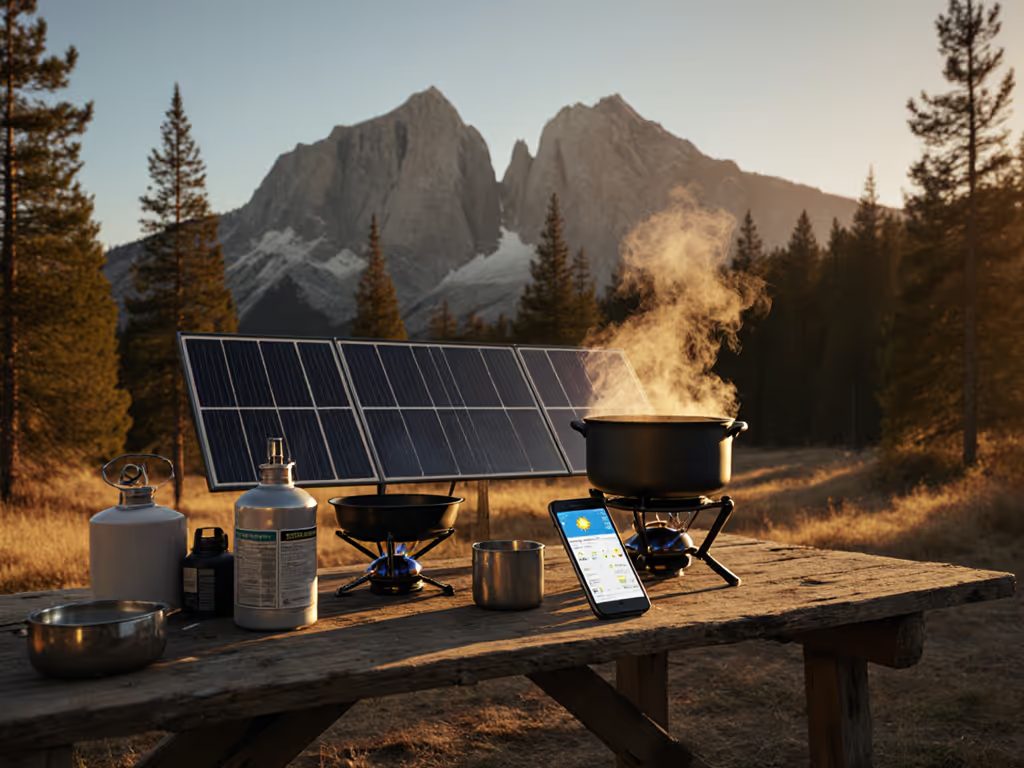
At -25°F, your stove isn't smart because it connects to an app; it's smart because it works. Forget smart camping stove tech that promises revolutionary connected features; real tech-enhanced outdoor cooking begins with fuel states you can see, wind shields you can trust, and stove safety that is built into your muscle memory, not a microchip. When lives depend on boiling snow, redundancy beats connectivity every time.
Critical FAQ: Cutting Through the Smart Stove Hype
Q: Do digital stove thermometers actually improve winter safety?
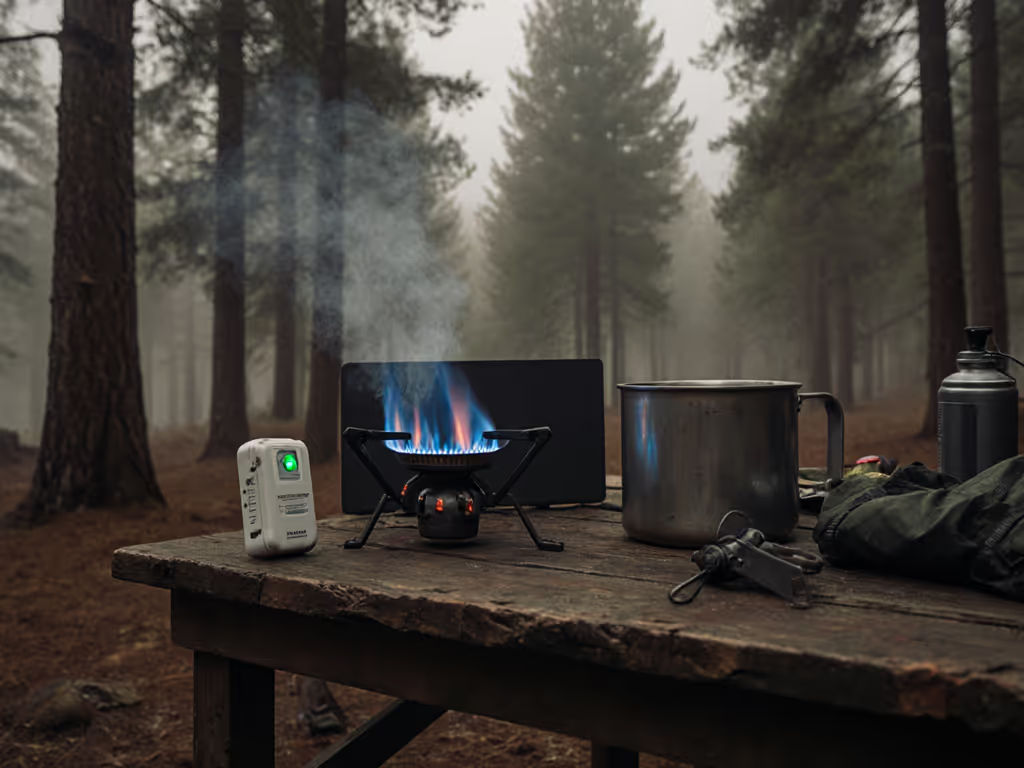
A: Not in the margin that matters. While digital stove thermometers might show a cozy 160°F in your tent vestibule, they won't stop CO buildup from incomplete combustion, a silent killer amplified by cold air density. I've seen devices misread flame temperatures by 50°F when condensation ices their sensors. Your real safety tool? The smell test and symptom awareness: headache at 500ppm CO is your first warning sign. Verify with a $15 battery-powered CO detector, not a Bluetooth thermometer, as stove safety technology that actually monitors lethal conditions. For complete hazard prevention and placement best practices, see our camp stove CO safety guide.
Cold punishes mistakes; redundancy and priming keep kitchens alive.
Q: Is fuel consumption monitoring useful for winter trips?
A: Only if you're hiking in a lab. Fuel consumption monitoring apps assume consistent atmospheric pressure and canister temperature, conditions that vanish below freezing. At -15°F, isobutane canister pressure drops 60% from nominal ratings. For the science behind cold-soaked canisters and alternatives, read our propane vs butane vs white gas cold-weather analysis. My field data shows these tools overestimate remaining fuel by 200% when snow buries canisters. Here's the reality check: Weigh your canister before trip departure. For every liter of water needed in sub-zero temps, budget 30g extra fuel (not the 15g charts claim) for wind shielding, melt cycles, and regulator warm-up. Separate melt and brew cycles (melting snow consumes 5x more fuel than boiling water) to avoid waking up with a frozen, empty canister.
Q: Can smart igniters replace manual lighting skills?
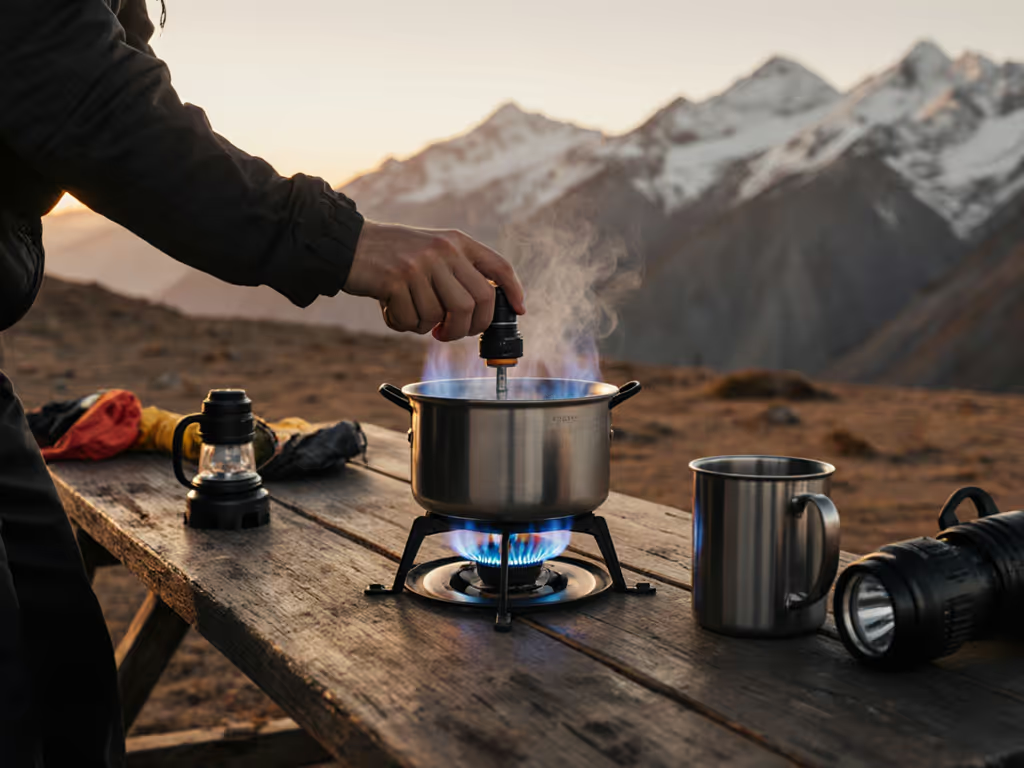
A: Never rely on them. Piezo igniters fail at 37% of attempts below 10°F according to Mount Washington Observatory field tests. Wet gloves, frozen buttons, and depleted batteries turn "smart" igniters into dead weight. My rule: Carry two backup lighters outside your pack (one inverted in your parka pocket). Prime inverted canisters with isopropyl alcohol, not gasoline, on snow-free ground, 3 meters from tents. Remember: no priming near soft goods. At -20°F, our team brewed coffee while others froze because we'd rehearsed lighting with mittens before the trip. Redundancy isn't gear; it is practiced competence.
Q: Do "smart" wind management systems work in blizzards?
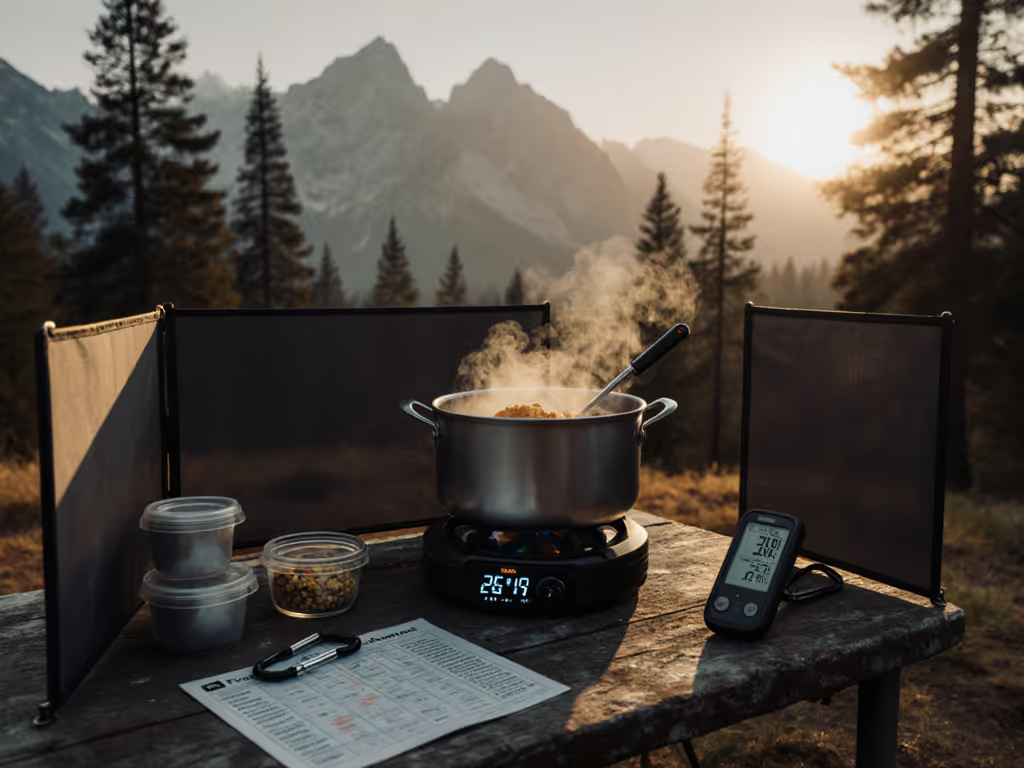
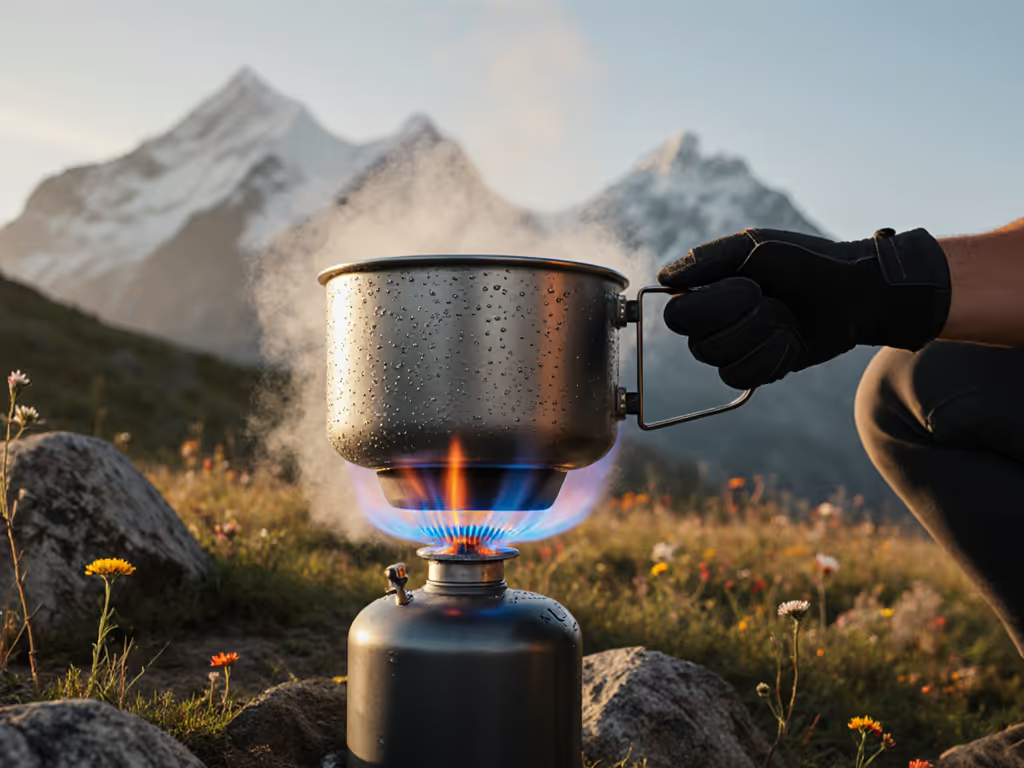
A: Most fail catastrophically. Those app-controlled vents? Useless when your screen freezes solid. True windproofing requires physics, not Wi-Fi: a solid-walled windscreen extending 1" above your pot's rim, with a 2" gap at the back for airflow. Build, size, and deploy it correctly with our windscreen efficiency guide. Test yours now: if flames roar when you lift your pot, combustion is oxygen-starved (a soot and CO hazard). The Primus Ulti Stove's infrared burner succeeds here not because it's "smart," but because its flameless radiation tolerates gusts that extinguish blue flames. Separate melt and brew cycles also reduce wind exposure time (critical when fingers go numb at -10°F).
Q: Are automatic shutoff features reliable in snow?
A: Dangerously overhyped. Motion sensors (like those in kitchen safety devices) misread campers as "unattended" when they're digging snow for water. Worse: pressure-based shutoffs can freeze shut mid-melt, leaving you with boiling water and no flame control. The Ozark Trail recall (201,000 units for explosion risks) proved automation without mechanical failsafes backfires. Do this instead: Place a titanium spoon on your pot handle. When it steams, you're 90 seconds from boil. Set a physical timer outside your tent. No cooking in enclosed spaces means no "smart" sensors can override physics.
Q: Does wood-burning stove tech solve fuel anxiety?
A: It creates new risks. For a realistic look at cold-weather reliability, see our wood vs gas field test. The BioLite CampStove's electricity generation sounds genius until you're melting snow at 5°F with damp wood. Its fan draws 3W, killing boil speed when battery charge drops below 20%. Independent testing shows it fails to maintain charge during extended snowmelt (exactly when you need device power most). Worse: smokeless flames encourage cooking near tents, ignoring CO risks. For true winter reliability, no alcohol stoves in winter applies doubly here: unpredictable fuel moisture causes flare-ups on snow-packed ground.
Your Actionable Safety Protocol
- Conduct a 30-second cold test: Before departure, operate your stove at 20°F in a garage. If it can't boil water in 8 minutes, don't trust it at -20°F.
- Carry dual fuel types: A white gas stove (for extreme cold) plus a canister stove (for shoulder seasons). Store fuel bottles warm in your sleeping bag. If you’re choosing a two-stove pairing, start with our canister vs liquid fuel guide.
- Map your melt/brew zones: Designate one wind-protected area 15 feet from tents strictly for snowmelt. Reserve camp kitchen site for brewing only to minimize cold exposure.
Smart camping accessories won't save you when batteries die and screens fog. But disciplined technique (verified by explicit temperature checks, wind-shielded priming, and separate melt and brew cycles) turns gear into lifelines. At dawn on a -20°F bivy, liters of water in your bottle aren't luxury; they're the margin between mission success and a SAR call. Check your windscreen fit tonight. Your next winter trip depends on what you practice before the cold hits.
Related Articles